
The Best Ways to Fight Japanese Beetles in the Hudson Valley
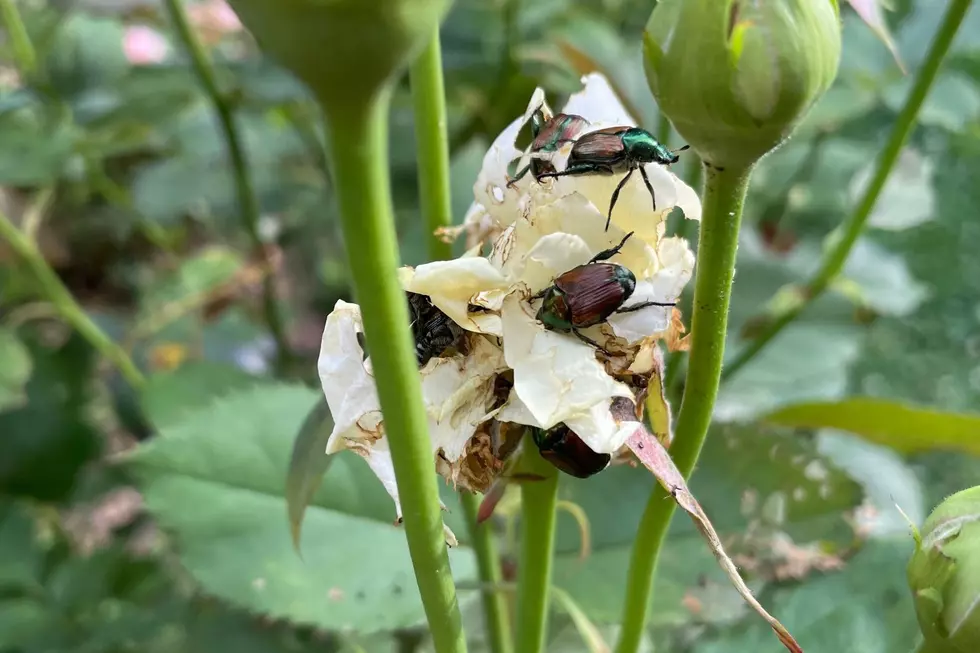
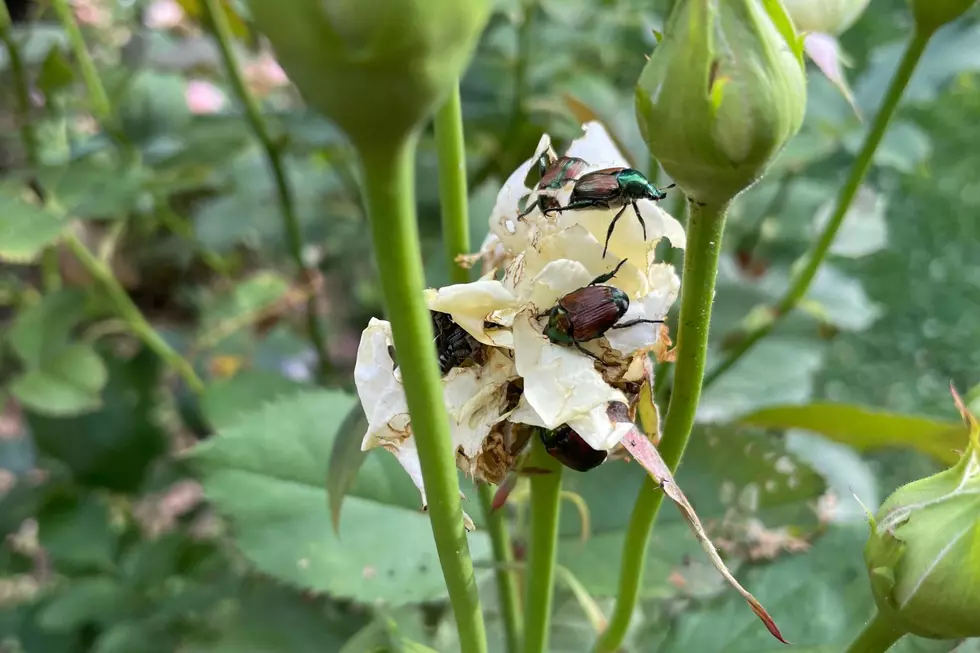
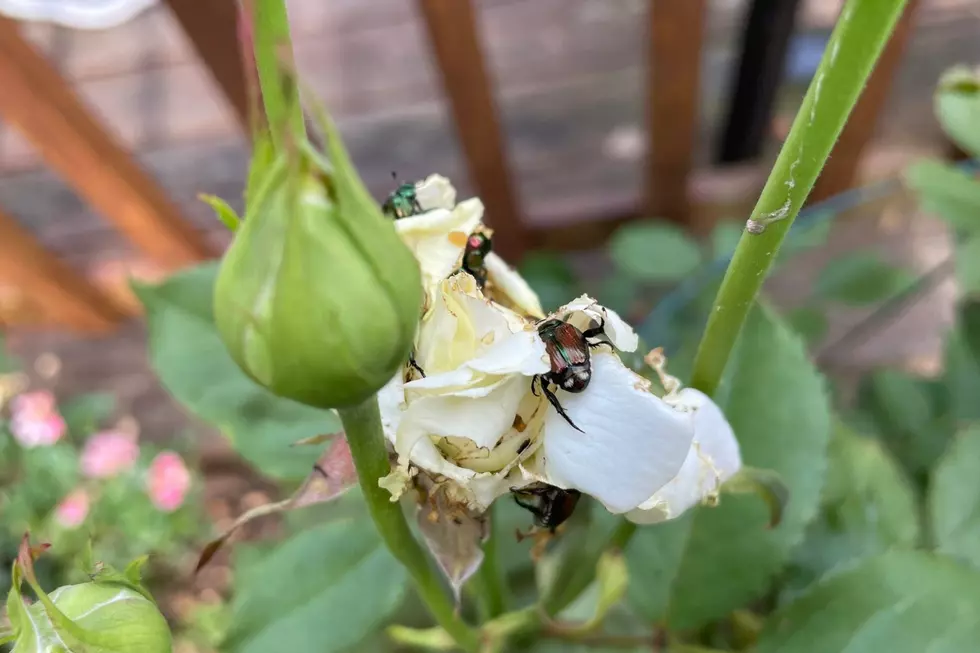
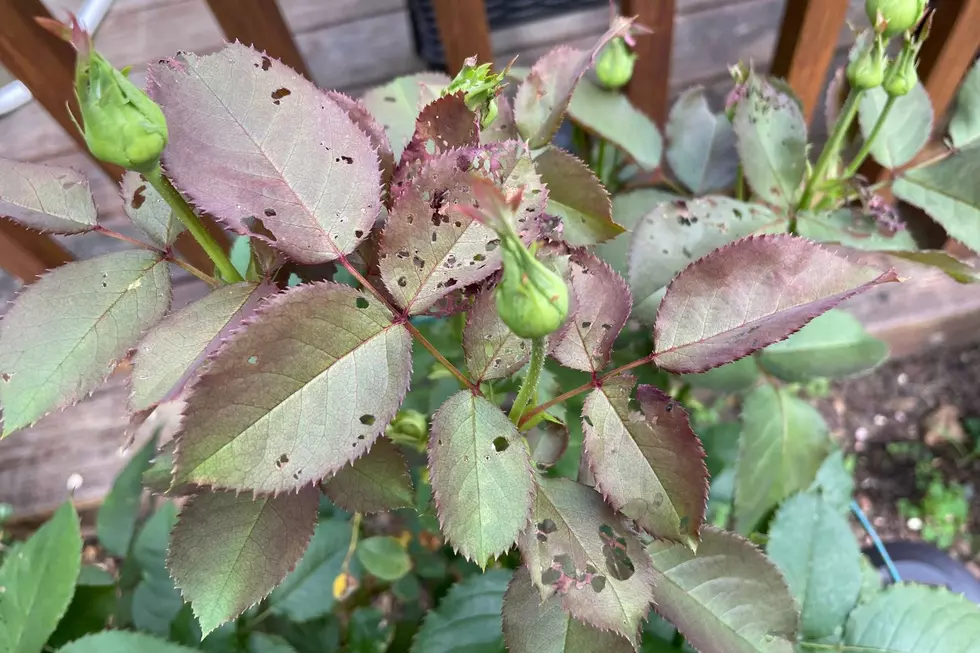
After a 10-day trip, the joy of returning home to our house in Newburgh was quickly dashed by what we saw in our backyard: Japanese Beetles had moved in and completely devoured our favorite rosebush (below).
While there has been a large focus on other pests like the spongy moth caterpillar, some more "classic" invasive species like the Japanese beetle seem to persist year after year... but what's the best way to fight them?
Fighting Invasive Species in the Hudson Valley
With invasive species like the spongy moth, there are a few obvious steps. Identifying and destroying their eggs before they hatch or even banding trees to catch the caterpillars before they change into moths are both very helpful... It's a little more complicated with Japanese Beetles.
Japanese Beetles Invading the Hudson Valley
Both Japanese Beetles and Japanese Beetle larva are extremely destructive, with hundreds of millions of dollars being spent every year in the United States to help control their populations. Locally, there are a few steps homeowners can take as well.
Japanese Beetles Living Underground
Unlike spongy moths, which lay their eggs in locations accessible to humans, Japanese Beetles lay eggs underground, with larvae only emerging after they've developed into beetles. This also means there are two ways to fight the pest.

How to Manage Japanese Beetles in Your Hudson Valley Garden
Solutions vary from directly attacking the mature beetles on your plants to resorting to more detailed plans that try to stop the problem before it starts. From drowning to attacking with microscopic worms, here are some of the best options:
The Best Ways to Fight Japanese Beetles in Your Garden
Gallery Credit: TSM Poughkeepsie
Leafy Spurge - Learning More About This Invasive, Noxious Weed
Gallery Credit: JD Knight

More From 94.3 Lite FM


